SUSPENSION DESIGN
Ground connection
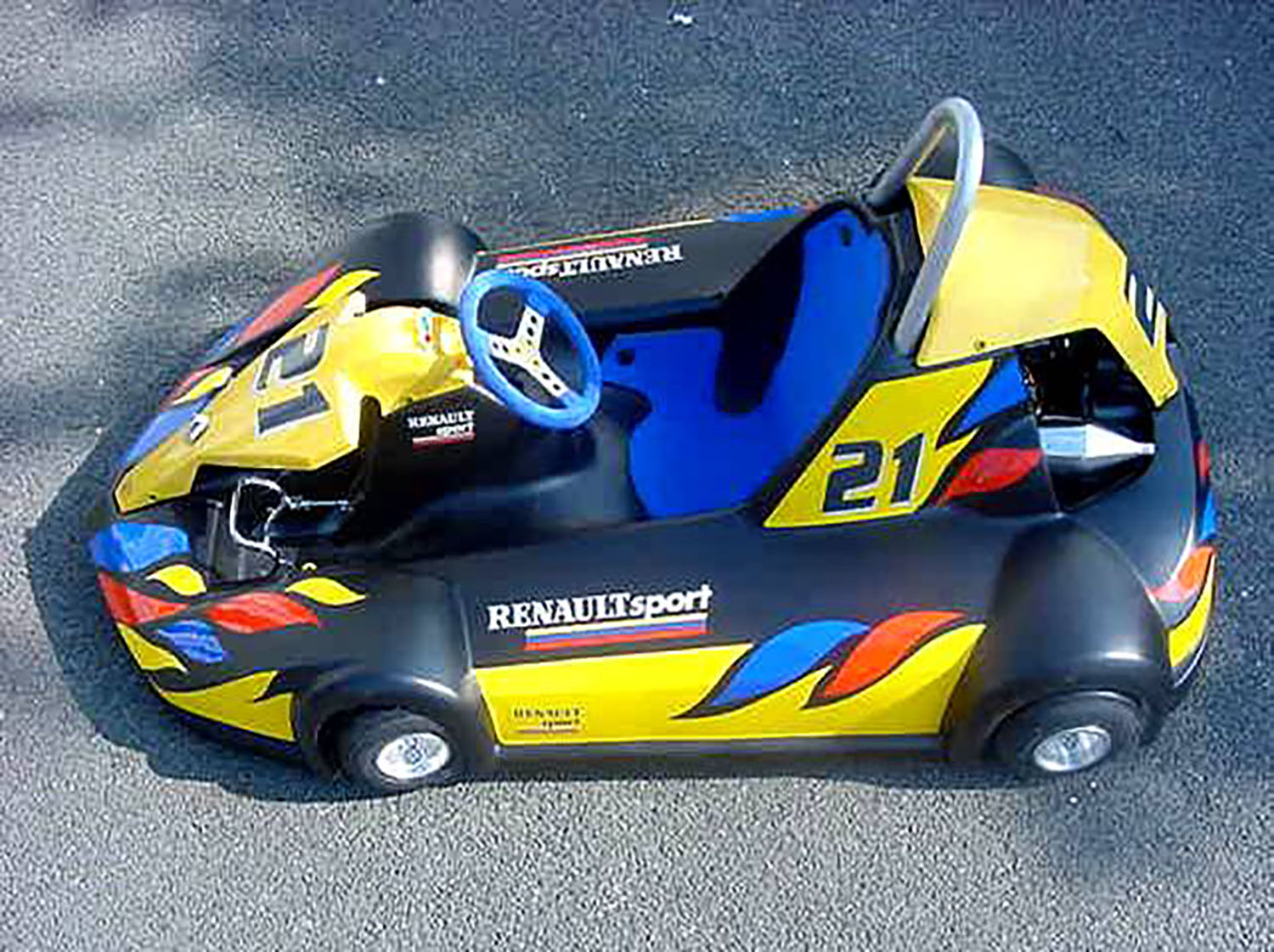
A more general term than "suspension", which includes steering, transmission, braking and tire components, making it possible to talk about comfort, traction, stability, braking and roadholding functions. It can be used for all vehicles, even those with no suspension as such (a go-kart, for example).
Classification
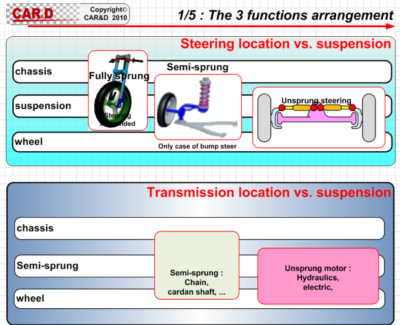
An attempt at a general classification of wheeled vehicle suspensions is condensed in the table below:
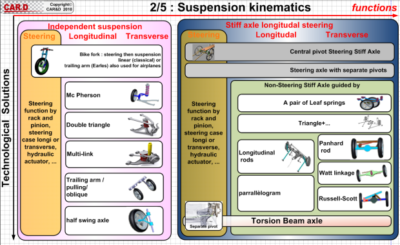
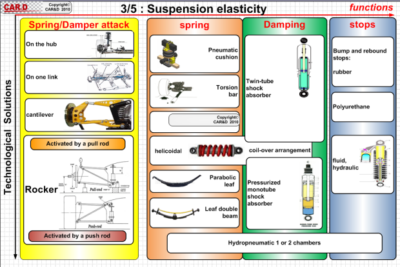
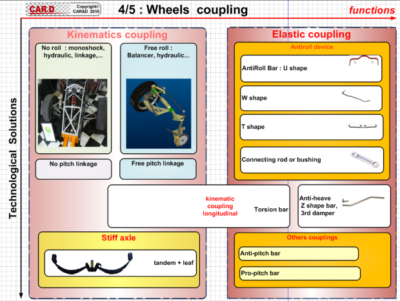
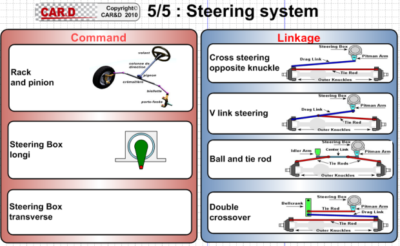
3D kinematics
Whatever the suspension system, the 3D movement of the wheel relative to the frame can be projected onto the three main planes, providing longitudinal and transverse characteristics:
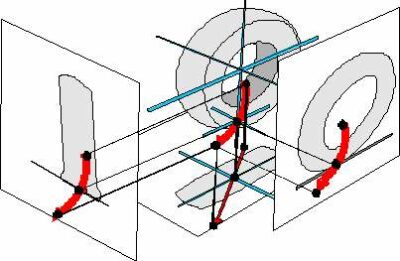
Double suspension
Noticing that the force transmitted to the body during the most uncomfortable obstacles had a significant horizontal component, we designed "double suspension" systems for high-performance off-road vehicles (Paris Dakar, military), which effectively organize the superposition of the two elasticities, vertical and horizontal.
Such a scheme was used as the basis for the suspension design of the DPE, Nexter's prototype 6×6 hybrid thermal/electric military vehicle, which despite having higher unsprung weights than comparable vehicles, delivers superior performance over obstacles.
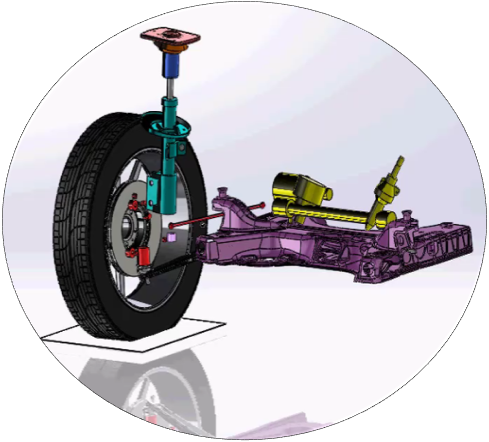
A simple version based on a pseudo-McPherson system for passenger cars was designed in 2000.
Variable anti-roll
Aware of the significant influence of anti-roll bars on limit behavior, a simple continuously variable electric drive system was patented in 1980.
Pump control suspension
The usual design logic for independent suspensions is as follows: wheel stiffness gives a certain level of pumping stiffness, and an anti-roll bar supplements roll to obtain the desired specific roll value.
The primacy of pitch control for aerodynamics on modern ground-effect racing cars has called this design into question, and solutions with a specific pumping damper have appeared. On the SARTA LMP prototype, we proposed a very simple, totally transverse arrangement of these 3 dampers, with a "full floating" damper between the right and left rockers.
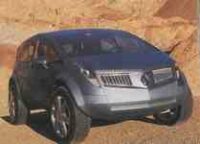
Another case requiring greater pumping control is that of very fast off-road cars, such as the Paris-Dakar; energy storage capacity at the start of a jump is never sufficient, and the return at the end of compression is very dangerous. Fitting a 3rd specific "full floating" pumping damper improves jumping capacity, as well as making it very easy to vary ground clearance, a solution implemented on the Renault Koleos concept car (Geneva 2003).
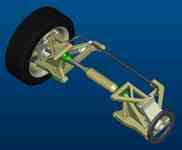
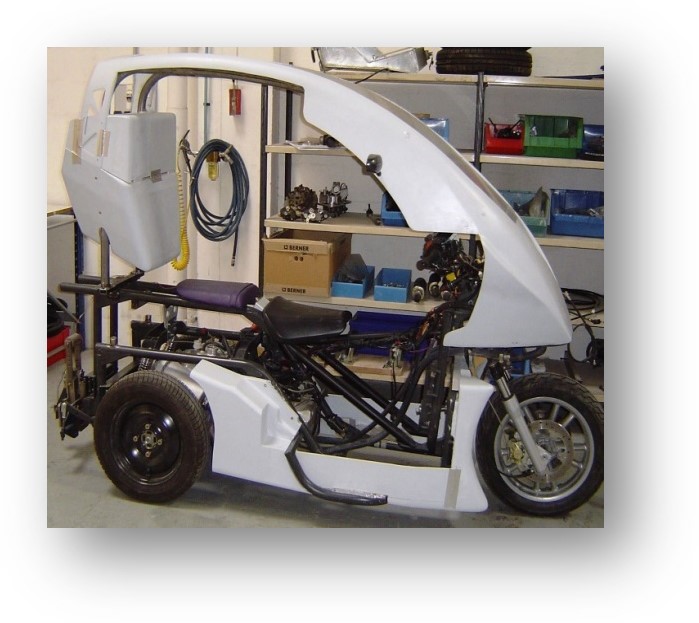
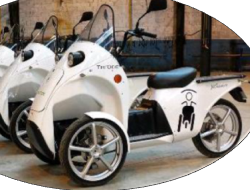
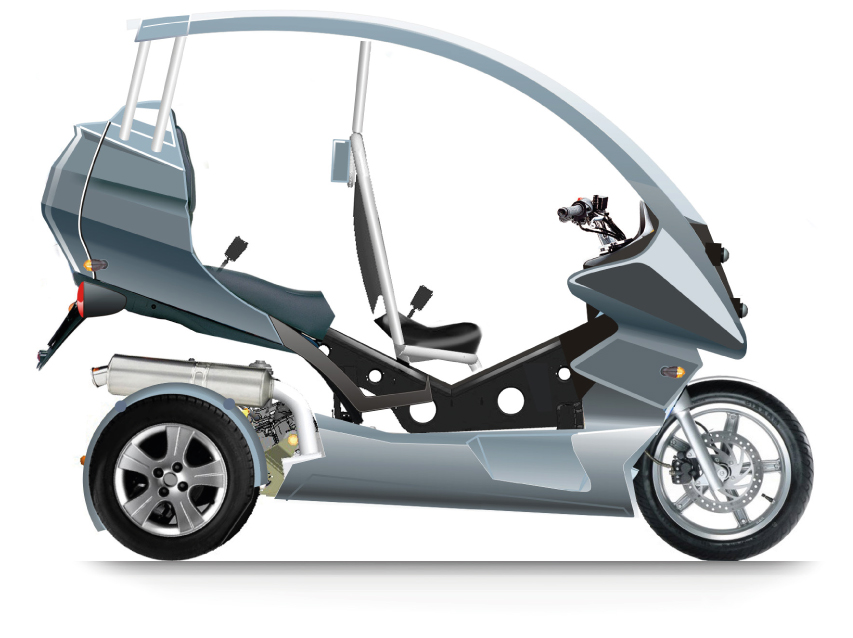
A 3rd application is that of tilting vehicles ("pendular") for which normal pumping stiffness and zero roll stiffness are required. A system with two dampers and a balancer can be designed, but a few grams of intelligence rather than a few kilos of complexity can be achieved with a single "full-floating" spring-damper assembly.
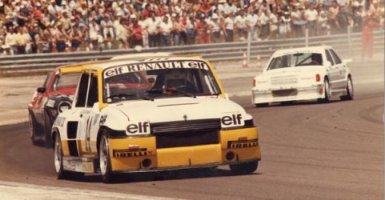
Clio V6 Trophy
Renault Sport's Clio V6 Trophy is a 280 hp rear-engine, mid-engine rear-wheel drive that competes in international monotype formula circuit racing.
Renault Sport Technologies' brief was to improve both performance and driveability, while retaining many existing elements (some of them sub-optimal).
As these objectives are not self-evident, we have :
- identified all possible actions
- group possible modifications on a minimum number of parts
- validated the effects with a provisional version on the track
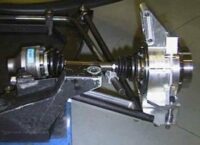
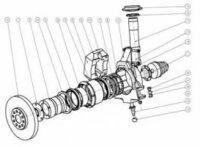
- designed and launched a small-scale production of a car upgrade kit (below is the image for the assembly manual)
F1 suspension
F1 suspensions are in fact the architecture of all modern racing cars.
- Double triangles kinematics diagram,
- Articulation of triangles on frame without ball joint,
- Spring and damper activation by push-button,
- Torsion bar spring on rocker arm,
- Hydraulic shock absorber per wheel,
- T-shaped anti-roll bar with ball-and-socket joint for pumping,
- Arrangement with the 3rd decoupled pumping unit on the front Brawn,
- Assembly of the 3rd horizontal and transverse pumping damper at the start of the film,
- Linear potentiometer travel sensors per wheel.