MOTORSPORT
KNOW-HOW
Motor racing is an exciting field of activity, where performance is the essential but not the only objective: meeting deadlines is imperative, and budgetary constraints are not negligible.
It's the interaction between these two poles that best "drives" thinking and ensures relevance.
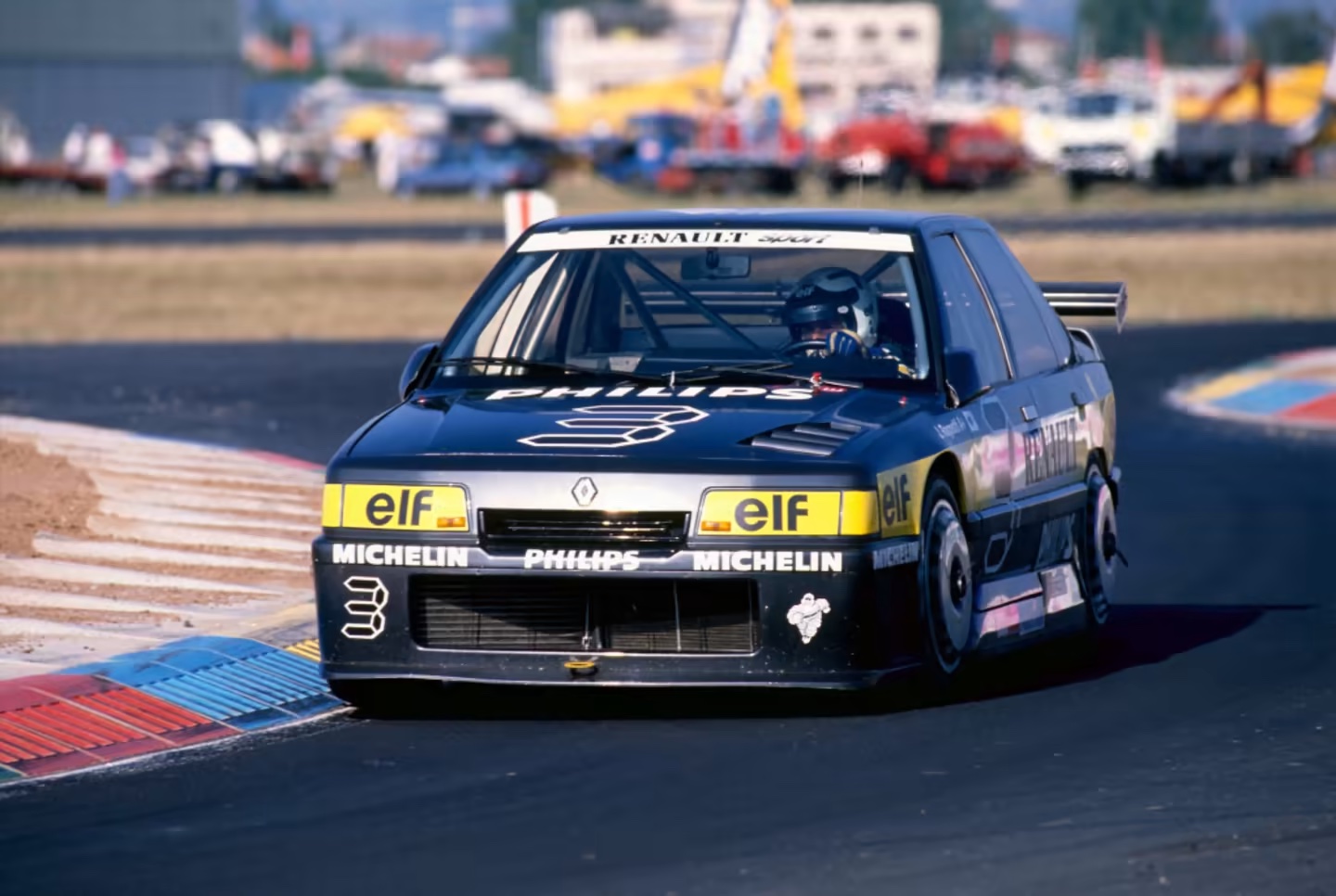
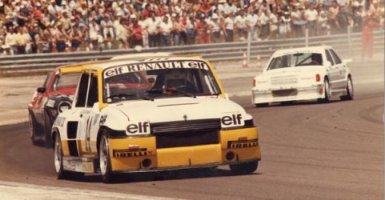
1985 Renault 5 Turbo Production
Design, development and race operation on behalf of Renault Sport.
The success of the R5 Turbo, followed by the R21, prompted Renault Sport to enter the racetrack directly for several years.
Lada Samara T3 RALLYE RAID
T3 Silhouette Prototype.
Project objectives
The aim was to design a naturally-aspirated car capable of winning against the "big Constructors" equipped with more powerful turbo engines and considerably larger budgets.
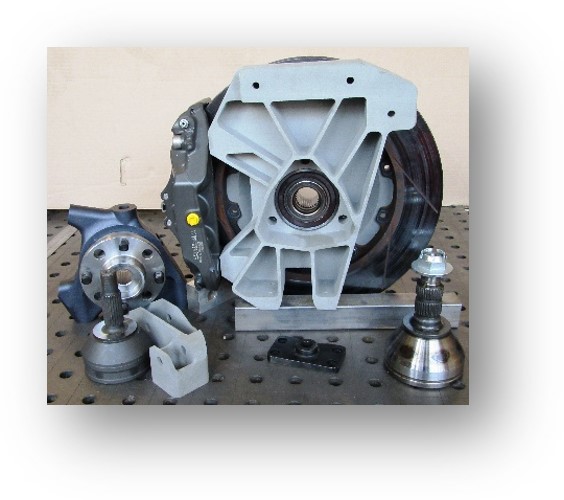
To achieve this, the project started from scratch, with a large carry-over of Porsche components, over-dimensioning of the chassis, and a strong emphasis on ground handling (suspension, transmission, steering).
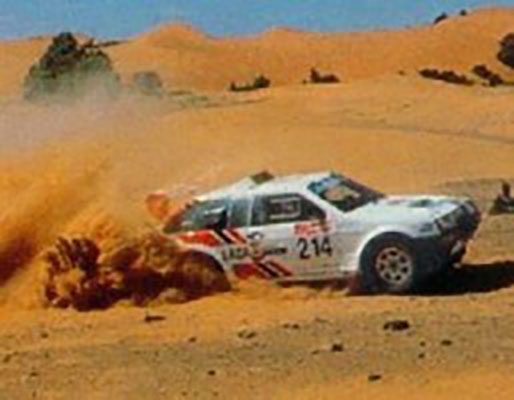
Results
Winner of the Manufacturers' World Rally-Raid Championship
Victory in the Pharaons Rally
The same cars have completed several Paris-Dakar rallies!
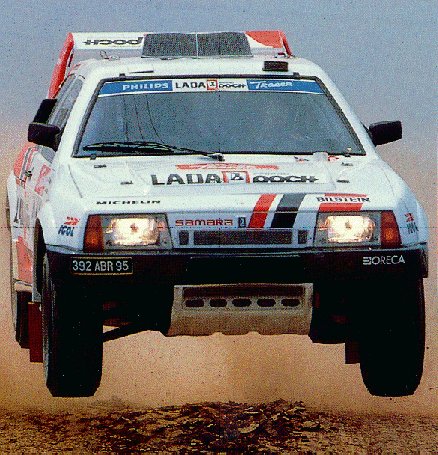
Development
- Complete vehicle design and engineering: suspension, chassis, powertrain, wind tunnel development and bodywork.
- Master model bodywork.
- Selection and monitoring of main subcontractors.
- Assistance with assembly at ORECA, on-track tuning at Chateau-Lastours with Jacky Ickx, development.
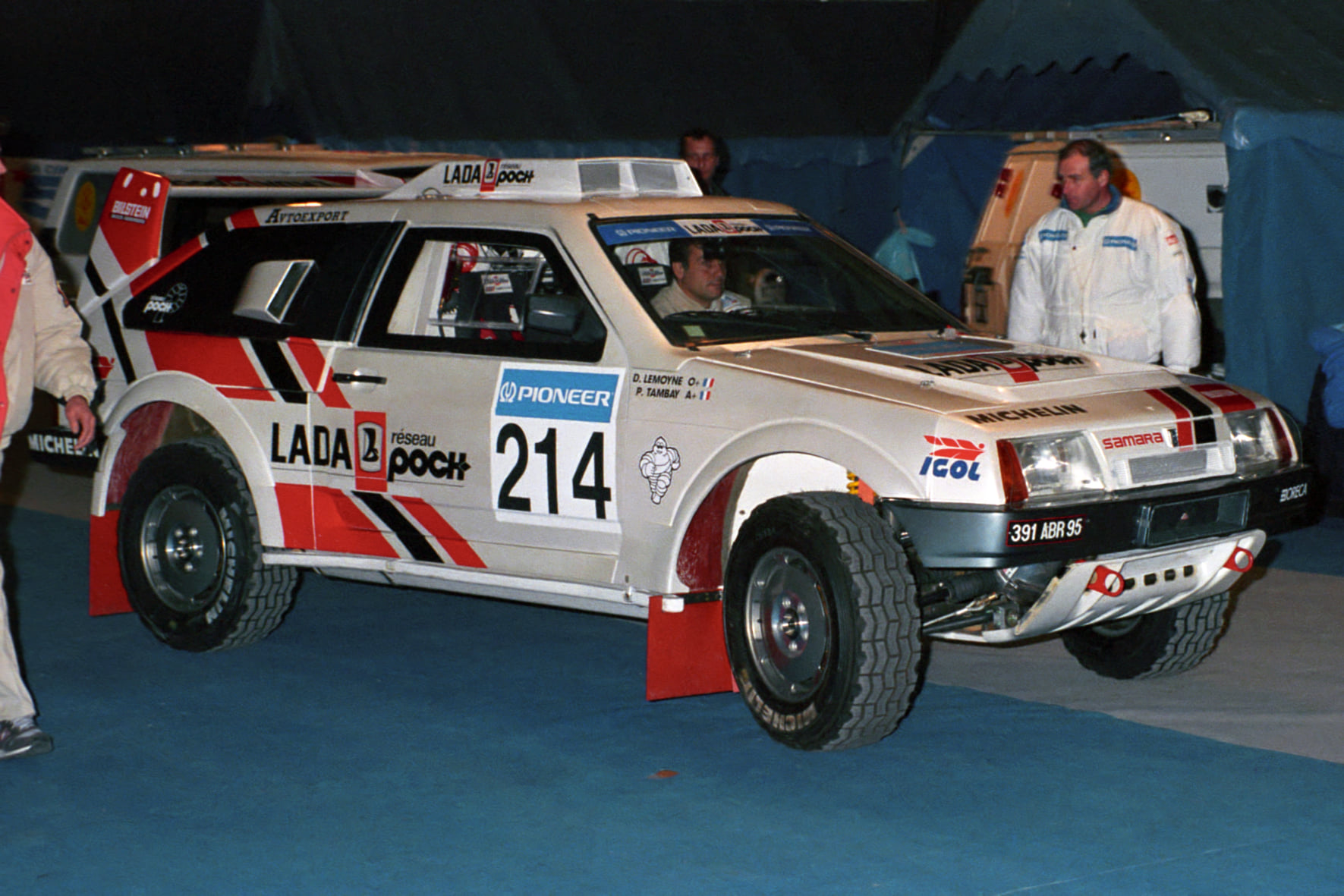
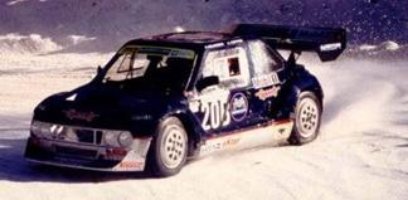
Design and complete study of the car (package plan, then chassis, running gear, interior, cooling, bodywork), production of the bodywork master; selection and monitoring of main subcontractors, installation of the cell, assistance with assembly at MEGA.
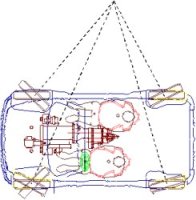
MEGA ICE RACING CLUB
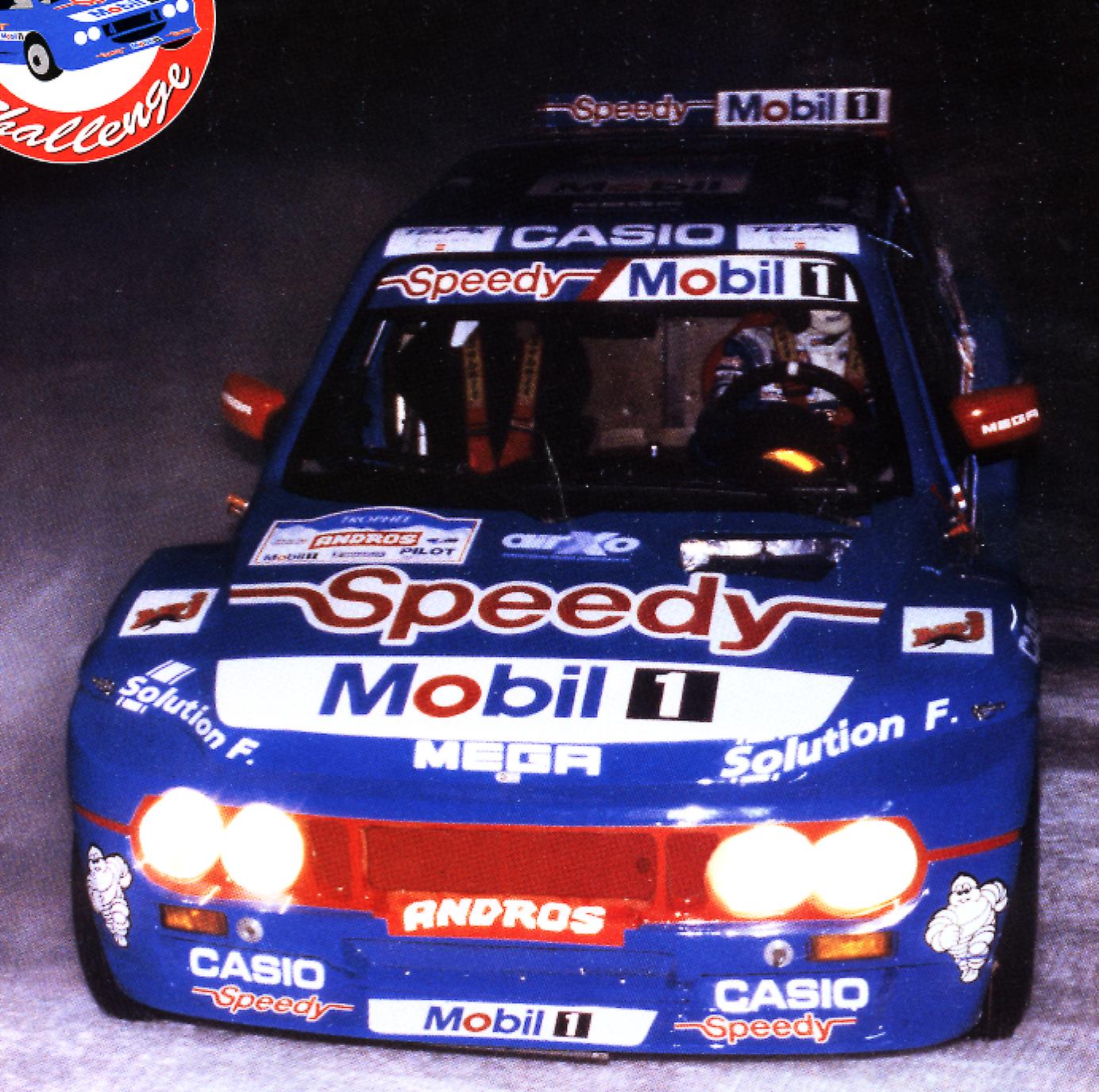
MEGA GLACE: 4-wheel-drive and steerable ice racing prototype, powered by a 300hp front mid-mounted engine.
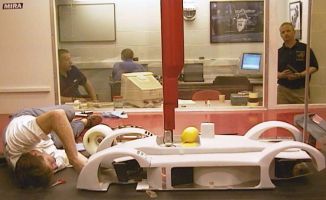
Prototype Le Mans SNBE
Design of an LMP1 category car for the 24 Hours of Le Mans, drawing heavily on modern racing car technologies (i.e. Formula 1).
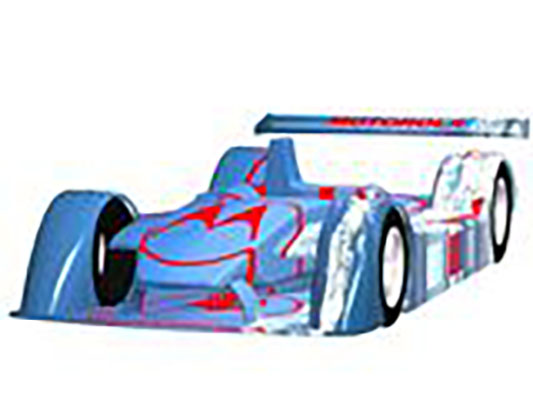
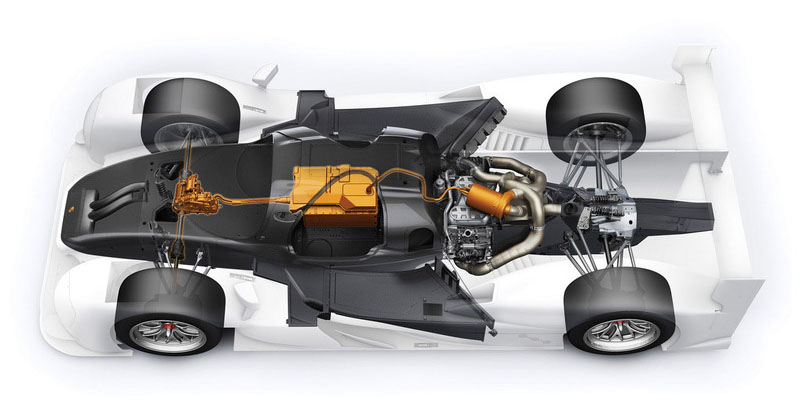
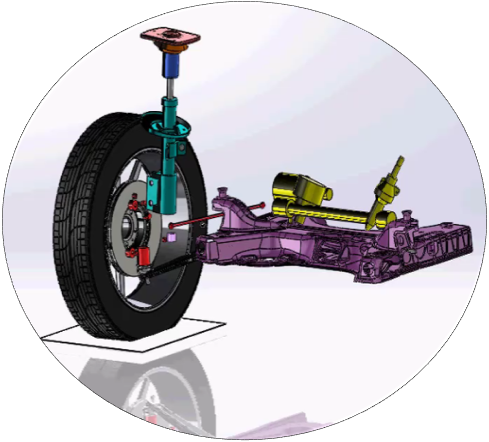
The 3-damper suspension provides decoupled control of pitch and roll modes, an idea that has since been taken up, for example in the Porsche 919 Hybrid Rear Suspension article in Andrea Quintarelli's blog.
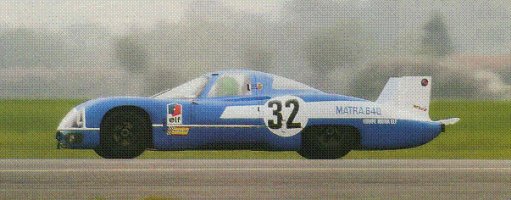
Prototype Le Mans Matra 640
The very ambitious and futuristic Matra 640 designed by Robert Choulet took off on its first lap on the Le Mans 24-hour circuit in 1969, injuring its driver, the young Henri Pescarolo. Read the story on "mémoires des pits" and here.
Getting it up and running in 2006 and staying on the track as fast as it should have been at the time was no trivial matter.
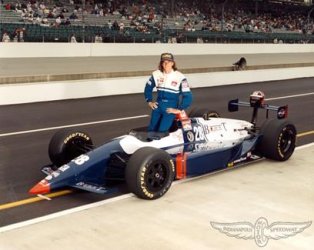
Lola Indy Regency, Indianapolis 1994
The "month of May" is devoted to fine-tuning the cars, preceding the Indianapolis 500 qualifying day.
An oval with 4 identical banked left-hand turns taken at 3g with fully asymmetrical settings, negotiated at an average speed over 4 laps of 223.673 mph or almost 360 km/h with a 900 hp engine (and 1000 hp for the Penske Illmor)!
Arie Luyendyk qualified on the 3rd row, 8th fastest, between the two world champions Mario Andretti and Nigel Mansell on the same Lola chassis in much more powerful teams, the best qualification of his season.
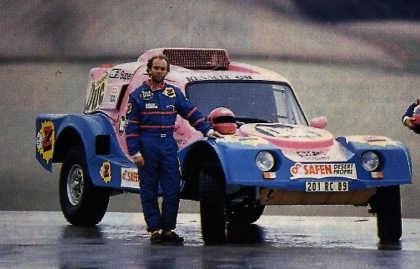
Buggy Duc Z Paris Dakar
At the Dakar 199, Gérard Bourgoin's American buggies had encountered constant technical problems; on the advice of Renault Sport, he contacted SODEMO and SERA, who not only had well-known skills but also concrete experience of developing Hubert Auriol's buggy.
The existing vehicles were completely refitted with the help of Jean-Paul Cottret:
- the 4-cylinder Renault Turbo in both petrol and diesel versions, replacing the 6-cylinder Porsche,
- the gearbox changed for a Hewland Indy and a trick,
- the body is modified to relocate the spare wheels and install the cooling system on the roof,
- the suspensions are modified, while retaining the wheel-side transmission joint on the outside.
At the 1994 Dakar, against the Citroën and Mitsubishi factory teams: 3rd place for Philippe Wambergue's diesel and 7th place and a stage win for Jérôme Rivière.