SEARCH
ARCOS
Automobiles have evolved the most thanks to mechatronics and on-board electronics, which enable ever more effective driving aids (ABS, ESP, GPS, Park Assist, etc.).
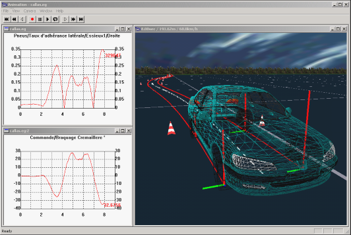
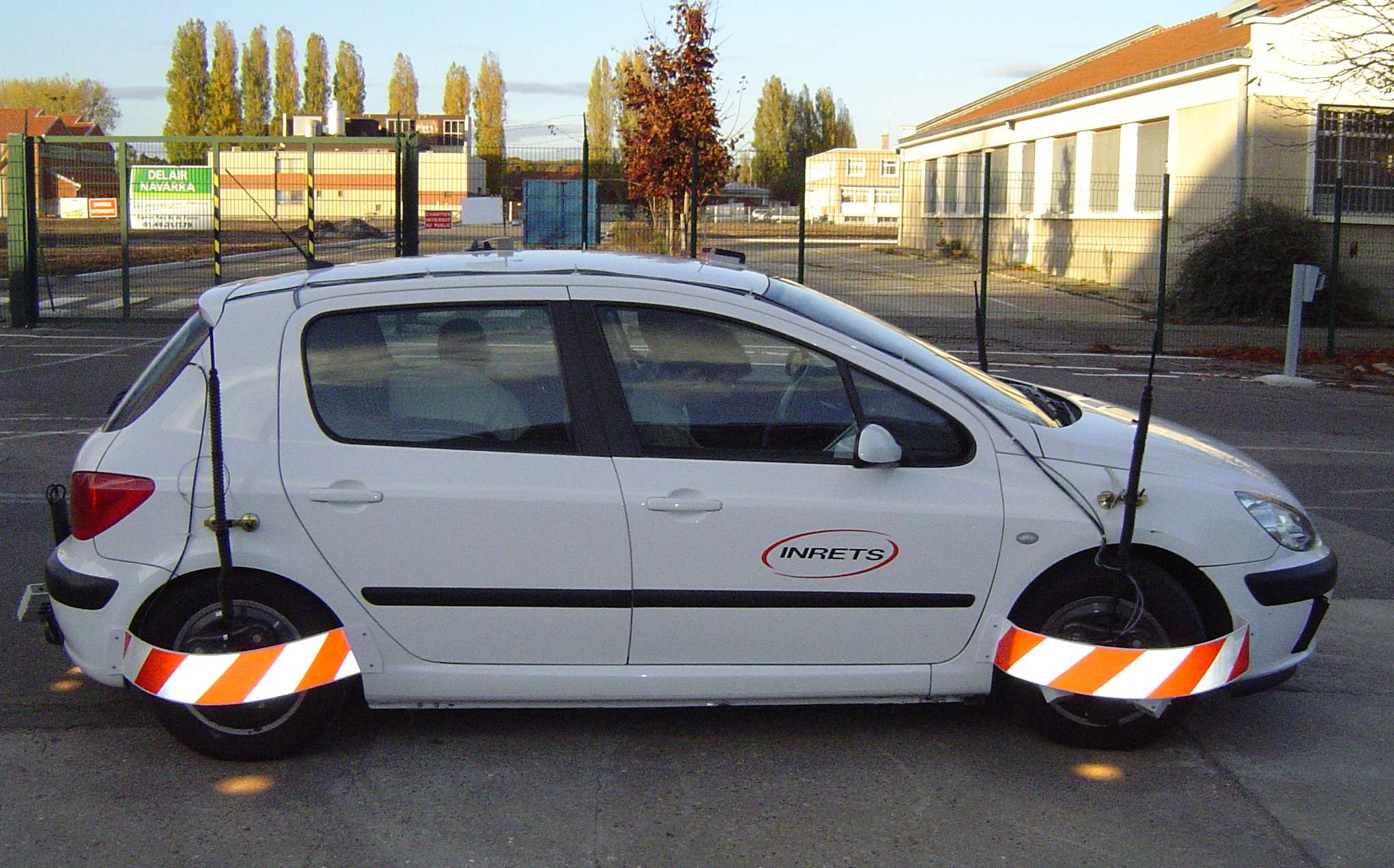
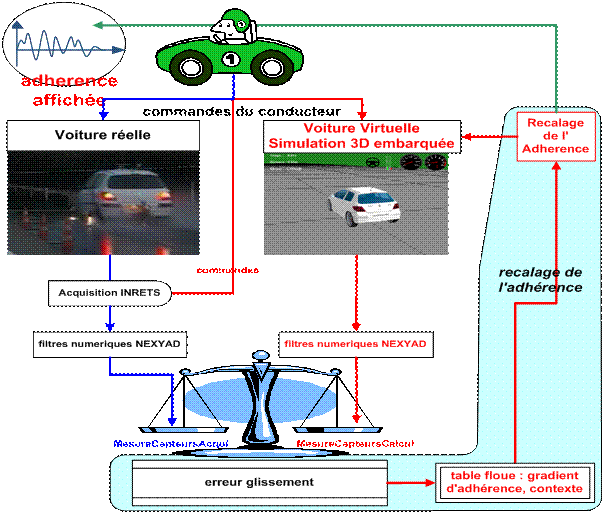
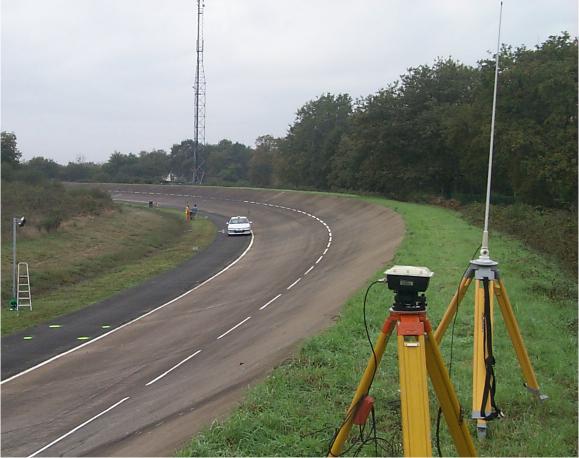
Grip is the most important safety parameter currently unknown to driver assistance systems in normal driving conditions. As part of the ARCOS 2004 research program, part of PREDIT, Gilles Schaefer has proposed an original, on-board vehicle method for identifying grip, implemented in an integrated fashion by the 7 partners.
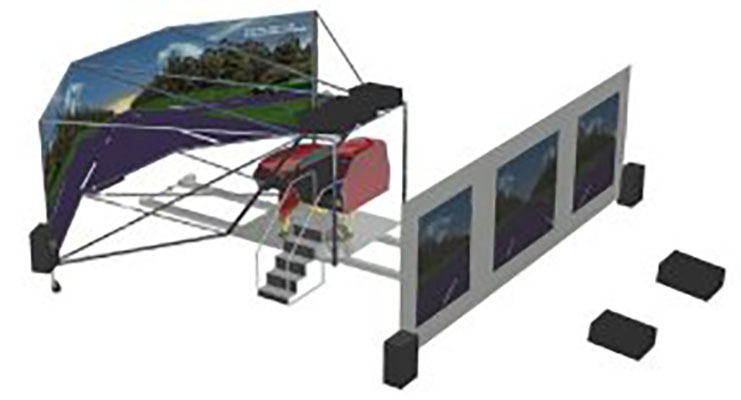
The principle is to place a driving simulator in the car and compare the responses of the real car and the virtual car (model method).
for more public information, see publications n° 26, 27 & 32.
SARI
As part of the PREDIT program, CAR&D has been selected to take part in the SARI research program, focusing on the following themes:
- RADARR: Recherche des Attributs pour le Diagnostic Avancé des Ruptures de la Route, studying the risk of a physical break in the route in open country.
- IRCAD: Informing about the risk of route disruption in poor weather conditions, studying the risk linked to grip in rainy or windy conditions.
AUTONOMOUS ROBOTIC VEHICLES
The development of high-level Driving Aids will gradually lead to autonomous robotized vehicles.
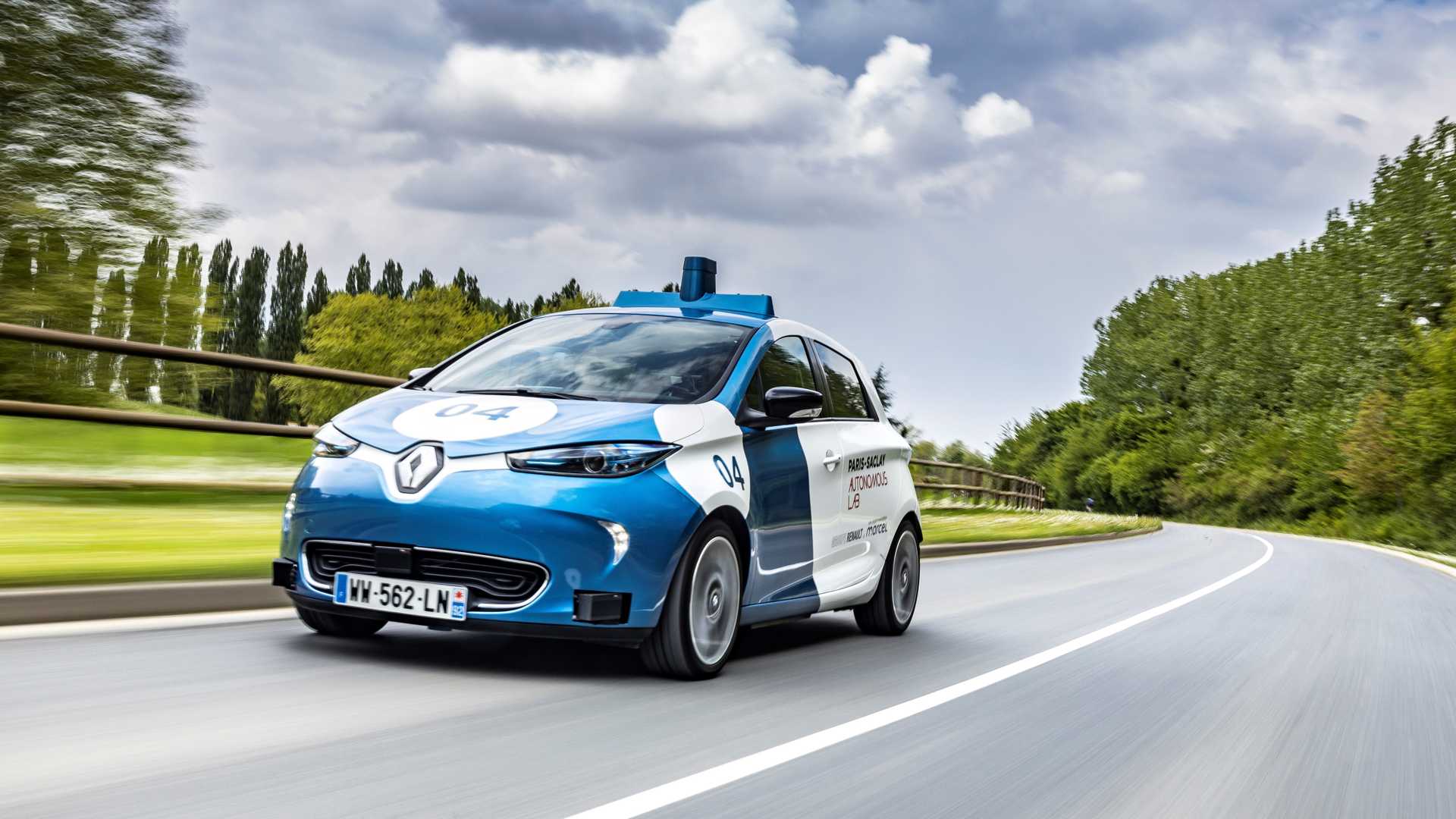
As part of its research, the ACIS laboratory at the University of Paris-Sud-Orsay commissioned CAR&D to co-design and produce a partially robotized car. The choice fell on the Renault Zoé, a very modern vehicle whose CAN network can read existing sensors and write commands. Numerous sensors were added (cameras, GPS, attitude control, fine odometry, etc.).